Financial Minimalism
Financial minimalism means prioritizing essential expenditures while eliminating discretionary spending that offers little value or joy. Unlike traditional budgeting, which can focus merely on limitation, financial minimalism emphasizes clarity, intention, and simplicity. By trimming non-essential expenses, individuals gain control over their finances and reduce stress levels.
For example, someone might cancel a $15 monthly streaming service they rarely use, redirecting that money toward saving or paying off debt. This small change, when multiplied across multiple such cuts, can increase savings significantly over time.
According to a 2023 report by Bankrate, the average American household spends roughly 15% of its income on non-essential goods and services. Cutting this by half even modestly can free up thousands of dollars annually.
Services like Mint and YNAB (You Need A Budget) help track spending habits, identify unnecessary expenses, and visualize where cuts can be made, making the minimalist process more straightforward.
Main Spending Problems
Many people struggle with excessive discretionary spending, often on impulse purchases or subscription services that add little long-term value. This behavior stems from automatic renewals, social pressure, and unclear financial goals.
Failing to control spending leads to debt accumulation; U.S. household credit card debt hit $930 billion in 2023, according to the Federal Reserve. High-interest payments reduce available cash and financial freedom.
This financial strain causes stress, anxiety, and can even impact physical health. For example, excessive spending on dining out and entertainment often steals funds from more impactful investments like retirement or education.
In real life, many find themselves paycheck-to-paycheck despite earning a decent income—often because they lack a minimalist framework to control spending patterns.
Recommendations
Conduct a Spending Audit
Track every expense for 30 days using apps like Personal Capital or PocketGuard. This reveals hidden costs such as unused subscriptions (e.g., Hulu, Spotify, or Amazon Prime) and excessive small purchases.
This works by creating awareness, a critical first step to changing behavior. Users might uncover $50+ monthly lost on rarely used services alone.
Automate Savings and Bills
Set up automatic transfers to savings accounts and automatic bill payments to avoid late fees and build emergency funds. Ally Bank, known for high-yield savings, offers interest rates above 3.5%, incentivizing automated saving.
Automation removes decision fatigue and ensures consistent progress towards goals.
Embrace the 30-Day Rule
For non-essential purchases, wait 30 days before buying. This cooling-off period reduces impulse buys, shown by consumer psychology studies to cut impulsive spending by up to 50%.
For example, before buying a new $300 gadget, waiting can confirm whether it’s a necessity or a passing desire.
Prioritize Quality Over Quantity
Spend on high-quality items that last longer instead of cheap alternatives. For instance, Patagonia's durable outdoor wear might cost more upfront but lasts years, compared to constantly replacing cheaper clothing.
This reduces waste and long-term costs.
Use Subscription Management Tools
Services like Truebill or Trim analyze recurring subscriptions and cancel unused plans, saving customers an average of $75 per month according to company data.
Regularly reviewing subscriptions prevents unnoticed expense creep.
Budget with a Purpose
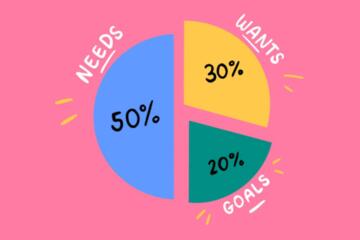
Create clear financial goals—saving for a home, debt repayment, or retirement—and align spending accordingly. The 50/30/20 rule is a simple framework: 50% needs, 30% wants, and 20% savings/debt repayment.
Case Studies
Case Study 1: Freelancer Reducing Debt
Jane, a freelance graphic designer earning $4,000/month, was struggling with $8,000 credit card debt. She conducted a spending audit via Mint and realized she spent $200/month on multiple streaming services and daily $5 coffee purchases.
By canceling two streaming services and brewing coffee at home, she saved $260/month. Redirecting this money to debt payments reduced her payoff time from 3 years to 18 months and saved $1,200 in interest.
Case Study 2: Startup Budget Simplification
A small startup with $15,000 monthly expenses noticed 12% of costs were on rarely used SaaS subscriptions. Using Truebill's business plan, they canceled unused tools, saving $1,800 monthly. These funds were redirected to marketing, resulting in a 20% boost in customer acquisition over six months.
Minimalism Checklist
| Step | Action | Tool / Service | Outcome |
|---|---|---|---|
| 1 | Track spending (30d) | Mint, YNAB | Find potential cuts |
| 2 | Cancel subscriptions | Truebill, Trim | Save $50-$75 monthly |
| 3 | Automate savings | Ally, Chime | Consistent growth |
| 4 | 30-day waiting rule | Manual | -50% impulse buys |
| 5 | Focus on quality | Durable brands | Lower long-term costs |
Common Mistakes
Ignoring Small Expenses
Neglecting daily $3-$5 expenses accumulates to hundreds monthly. Track all micro-spends to avoid hidden leaks.
Setting Unrealistic Budgets
Budgets too restrictive lead to burnout. Use gradual adjustments and flexible rules to sustain progress.
Forgeting to Review Subscriptions Regularly
Automated payments can sneakily drain accounts. Schedule quarterly reviews to cancel unnecessary services.
Not Prioritizing Emergency Savings
Without a financial buffer, unexpected costs lead to debt. Aim to build 3-6 months of essential expenses in savings.
Overlooking Mental and Emotional Aspects
Frugality without purpose causes dissatisfaction. Link spending habits to personal values for lasting change.
FAQ
What is financial minimalism?
Financial minimalism is a strategy focusing on reducing unnecessary expenses and prioritizing spending to improve financial health and quality of life.
How can I start practicing financial minimalism?
Begin by tracking your expenses, canceling unused subscriptions, automating savings, and setting clear budgeting goals.
What tools help with financial minimalism?
Popular tools include Mint, YNAB, Truebill, and Ally Bank for budgeting, subscription management, and saving automation.
Can financial minimalism help reduce debt?
Yes, minimizing expenses frees up funds to make larger or more frequent debt payments, accelerating payoff and reducing interest.
Is financial minimalism suitable for everyone?
It benefits anyone looking to control spending, reduce financial stress, and increase savings, regardless of income level.
Author's Insight
Having practiced financial minimalism for years, I've witnessed firsthand how small, consistent changes yield big results. Cutting just a few subscriptions and automating savings transformed my financial stress into confidence. It's not about deprivation but aligning spending with what truly matters. I recommend being patient and using technology tools—insights from apps made a huge difference for me. Financial minimalism is a journey toward freedom, not sacrifice.
Summary
Financial minimalism empowers you to spend less and live better by focusing on essentials, cutting hidden expenses, and automating savings. Start with a detailed spending audit, cancel unused subscriptions, and set meaningful goals. Tools like Mint, Truebill, and Ally Bank support these efforts. Avoid common pitfalls like neglecting micro-expenses and setting unrealistic budgets. Embrace financial minimalism to reduce debt, grow savings, and enjoy greater financial peace.