Popular Articles
 Personal Finance
05.09.2026
Personal Finance
05.09.2026
Why Cash Flow Matters More Than Your Salary
Cash flow describes how money moves in and out of your household or business over time, while salary describes only one inflow. This guide helps readers who earn wages understand timing gaps, debt cycles, and bill pressure. You’ll learn how to map cash flow, spot common failure points like credit-card float and irregular expenses, and choose practical tracking habits. Includes examples, a checklist, and an FAQ for real-world budgeting decisions.
 Personal Finance
30.08.2026
Personal Finance
30.08.2026
The Quiet Power of a No-Spend Week
A no-spend week is a short, structured pause from non-essential spending that can reduce financial stress and help you spot spending patterns. This guide is for people who want a practical, health-adjacent approach to calmer routines without pretending money problems are medical issues. You’ll learn how to define “no-spend,” set rules for bills and groceries, track triggers, and use simple tools to measure results. Includes realistic scenarios, a checklist, and common mistakes to avoid.
 Personal Finance
24.08.2026
Personal Finance
24.08.2026
What Pay-Yourself-First Really Means in Practice
Pay-yourself-first is a budgeting method where saving happens before spending, so your goals get funded even when bills arrive. This guide explains what the rule means in real bank workflows, how to choose an amount and account type, and how to avoid common traps like overdrafts and “phantom” savings. You’ll learn practical steps, example scenarios, and a decision checklist to set up a system you can actually maintain.
 Personal Finance
18.08.2026
Personal Finance
18.08.2026
How to Build a Budget Around an Irregular Income
Budgeting is a lot harder when your paycheck changes from month to month. If you’re a freelancer, contractor, or gig worker, you’ve probably noticed that most “normal” budgeting advice assumes steady income—and it just doesn’t fit real life. This guide focuses on practical ways to stay on top of bills, savings, and spending even when work is unpredictable. You’ll learn step-by-step methods to build a flexible budget around your lowest-earning months, create a buffer for slow periods, and prioritize expenses without feeling constantly behind. With clear examples and simple metrics you can track in a spreadsheet or app, you’ll be able to set up a system that adjusts to income swings instead of falling apart because of them.
 Personal Finance
15.08.2026
Personal Finance
15.08.2026
Why Small Recurring Costs Outweigh Big One-Offs
It’s usually not the big, obvious purchases that wreck a budget—it’s the small charges that quietly repeat every week or month. This article looks at how recurring expenses like subscriptions, maintenance fees, service add-ons, and minor operating costs can add up to far more than a single large payment, simply because they slip under the radar. You’ll see why these “little” costs are easy to ignore, how to spot them quickly, and what to do to cut waste without disrupting your workflow or lifestyle. Built for business owners, finance teams, and anyone who wants tighter budget control.
 Personal Finance
09.08.2026
Personal Finance
09.08.2026
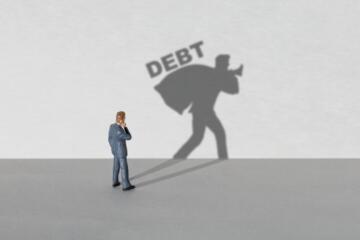
The Difference Between Good Debt and Bad Debt
Not all debt is created equal, and knowing the difference between “good” debt and “bad” debt can change the way you make money decisions. This article explains how to tell when borrowing is helping you build something valuable - like education, a home, or business growth - versus when it’s draining your budget through high interest and short-term spending. It also clears up common myths about credit, shares warning signs to watch for, and offers practical strategies to pay down debt, stay organized, and protect your long-term financial health.
 Personal Finance
03.08.2026
Personal Finance
03.08.2026
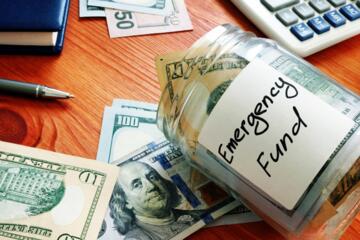
How an Emergency Impacts Your Money Plan
Emergencies have a way of wrecking even the best budget, because they don’t just add a surprise expense - they often demand cash right now and force you to reshuffle everything else. This article is for people who normally run a steady, planned money routine but get hit with an unexpected event like a medical bill, car repair, job disruption, or urgent home issue. It explains how these situations can drain savings, interrupt investing, and knock debt payoff plans off track. You’ll also get practical steps for what to do in the moment - prioritizing bills, finding liquidity, cutting expenses safely - and how to rebuild afterward so you can regain stability and get your financial goals moving again.
 Personal Finance
28.07.2026
Personal Finance
28.07.2026
Why Tracking Spending Beats Cutting It
Getting a handle on your money usually works better when you understand where it’s actually going, not when you just try to “spend less” across the board. This article explains why tracking your spending can be a more effective - and less frustrating - route to financial control than constant cutting. By spotting patterns, leaks, and monthly rhythms you may not notice otherwise, you can make smarter adjustments that fit your real life. The result is a plan that feels sustainable, not restrictive, and habits that last.
 Personal Finance
22.07.2026
Personal Finance
22.07.2026
The Order to Pay Things Off, Explained
The order to pay things off defines specific rules creditors or courts follow to settle debts or claims when funds or assets become available. Understanding this sequence matters for creditors, debtors, and legal professionals involved in debt resolution or bankruptcy cases. This article clarifies common confusion about priority payments, explains consequences of ignoring the order, and shares hands-on advice with examples from real cases and services.
 Personal Finance
16.07.2026
Personal Finance
16.07.2026
What a Realistic Monthly Budget Actually Looks Like
A realistic monthly budget breaks down your income and expenses into clear, manageable parts, reflecting true costs rather than idealized figures. This article guides readers through common budgeting mistakes, practical allocation strategies, and real case examples. Designed for anyone seeking dependable financial control, it clarifies expectations and actions with precise figures and actionable advice. Avoid guesswork and build a budget that works for everyday life and unexpected events.