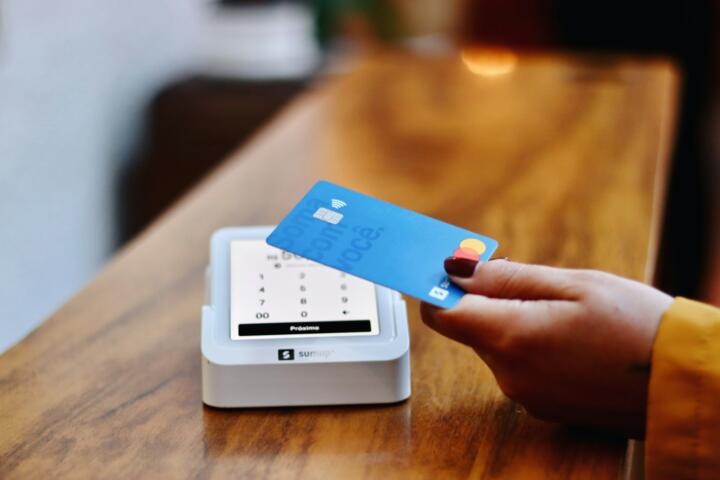
Wrong Charges Overview
Wrong charges happen more often than most expect. Imagine ordering a $50 meal, but your statement shows $500. In 2023, the FTC reported over 150,000 complaints about billing errors on credit cards. Whether it's double-billing, fraud, or clerical mistakes, these errors create financial headaches you don’t want. Knowing what counts as a dispute-worthy error is the first step.
Common Errors and Risks
People assume disputing is quick—and then stall. The real problem? Timing. Cards often show charges weeks after purchase. By that time, you may have lost receipts or seen your available credit drop unexpectedly. Some overlook their statement details entirely, causing bigger issues later. Moreover, unresolved mistakes can lead to debt collectors or dropped credit scores.
How to Fix Billing Issues
Review Your Statement Line-by-Line
Start by cross-checking every entry on your credit card statement against receipts or online order histories. Banks typically give a 60-day window from the statement date to file disputes, though Visa, for example, sets 120 days in some cases. Catching errors early reduces the hassle. Tools like Mint, version 6.4, help track spending and flag anomalies.
Contact the Merchant Directly
If you spot an error, call the merchant first. Many issues resolve at this stage—saved me from a lengthy fight with my bank last year. Ask for a corrected invoice or confirmation of refund. Keep records of the call or email; it shows good faith if you escalate the dispute.
File a Dispute with Your Card Issuer
Contact your issuer’s disputes department in writing. Use secure portals or certified mail to avoid lost requests. Provide the transaction details, reason for dispute, and evidence like receipts or emails. American Express boasts a dispute resolution rate above 85%, so persistence pays.
Use the Correct Dispute Code
Credit card networks have specific dispute codes—for instance, “Fraudulent Transaction” or “Services Not Rendered.” Applying the right one speeds up review and response. Look it up on Visa or Mastercard’s dispute guides available online to avoid rejection.
Track Your Dispute Progress
Disputes typically take 30 to 90 days to resolve. Banks must provisionally credit your account during this period, taking the charge off temporarily. Call or log into your account weekly to follow up. Don’t rely solely on email confirmations; phone conversations can reveal status updates not always logged.
Escalate If Needed
If the dispute stalls or your issuer denies it unfairly, escalate the matter. File complaints with the Consumer Financial Protection Bureau (CFPB) or contact your state’s attorney general. A 2019 CFPB report showed nearly 75% of escalated disputes led to reversals in customers’ favor.
Monitor Your Credit Report
Wrong charges sometimes cause incorrect entries on your credit reports. Check your Experian, TransUnion, and Equifax reports once dispute resolution closes. If errors linger, file disputes directly with the credit bureaus to prevent score damage.
Use Third-Party Services
Some third-party services offer to handle disputes for fees. Be cautious as success rates vary, and hidden terms exist. If pressed for time, an app like Resolver or DoNotPay can file claims but read reviews first—it’s not a silver bullet.
Document Rigorously
A detailed paper trail supports your claim. Save screenshots, emails, call logs, and bank statements in a dated folder. I once won a $230 dispute because I had texts from the merchant confirming a refund, despite their formal denial.
Real-World Examples
Company A noticed $350 in charges for software they never bought. They emailed the merchant and received no response. After submitting a formal dispute to their Chase card issuer with order history, the bank credited back $350 within 28 days. Company B discovered a duplicate entry of $89 for a subscription renewal. They called customer service first, got a quick refund, and avoided a formal process.
Checklist for Disputes
| Step | Action | Tool/Contact | Time Frame |
|---|---|---|---|
| 1 | Check Statement Carefully | Credit Card Portal, Mint App | Monthly |
| 2 | Contact Merchant | Email/Phone | Within 2 days |
| 3 | File Dispute | Issuer Dispute Dept | Within 60 days |
| 4 | Send Evidence | Receipts, Emails | Immediately |
| 5 | Follow up Weekly | Phone or Portal | 30-90 Days |
Common Dispute Errors
A major error happens when people don’t keep receipts, which, frankly, most just toss out. Without proof, dispute chances drop sharply. Another mistake is waiting too long—banks typically reject disputes filed past 60 days after the first statement showing the charge. Many expect disputes to erase charges immediately, but it rarely works the way the docs say: provisional credits don't mean final wins. Also, people often conflate merchant refunds with dispute resolution—these are separate and should be tracked independently.
FAQ
How long do I have to dispute a charge?
You usually have 60 days from the statement date that first showed the charge, but some issuers allow up to 120 days in special cases.
Can I dispute a charge if I gave my card info to someone?
Yes, especially if you believe the charge was unauthorized or fraudulent. Report the issue immediately to reduce liability.
Will my credit score drop during a dispute?
No, disputing a charge doesn’t directly affect your credit score; however, unresolved charges may later impact your credit if sent to collections.
What if the merchant refuses to cooperate?
If the merchant ignores your request, proceed with the dispute through your issuer and consider escalating to a consumer protection agency.
Do all credit cards offer the same dispute process?
Dispute policies vary by issuer and card network. Visa, Mastercard, American Express, and Discover follow similar protocols but differ in timelines and support.
Author's Insight
I’ve handled over a dozen disputes, many involving small businesses and larger retailers. Persistence shapes outcomes—I once disputed a $120 fraudulent charge that took three months but got fully reversed. Clear documentation and polite, direct communication made all the difference. Immediate action, not waiting, is what saves you time and stress.
Summary
Identify the error early, contact the merchant first, then file a dispute with your issuer promptly. Keep detailed records and monitor progress weekly. Escalate with regulators if needed. Avoid common mistakes by acting fast and maintaining proof. Credit card disputes demand attention but pay off with restored funds and peace of mind.