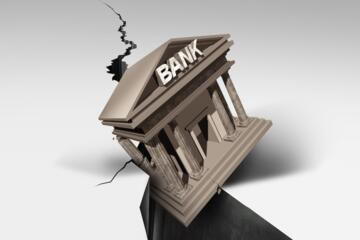
How Banks Use Your Deposits
Banks do not just hold your deposited money like a piggybank. They convert these deposits into revenue streams by issuing loans and other financial products. For instance, if you deposit $10,000, the bank may lend out $9,000 to a borrower at a higher interest rate than it pays you. This differential is a primary source of bank income. According to the FDIC, as of 2023, banks in the U.S. handle deposits totaling over $18 trillion, much of which cycles into loans.
Deposits serve as the foundation for banks’ lending capacity. Without deposits, banks would rely on costly alternatives like wholesale funding. Take Bank of America, which in 2022 reported net interest income of $40 billion, largely from lending funded by customer deposits.
This creates revenue while maintaining liquidity requirements set by regulators. Banks maintain a fraction of deposits as reserves, usually around 10%, lending out the rest, a practice called fractional reserve banking.
Deposit Misunderstandings
Many believe deposits remain untouched, but banks actively deploy this capital. Not realizing this can cause misplaced trust in the safety or direct benefits related to your account interest. The common misconception that banks merely safeguard deposits ignores their role as financial intermediaries.
Some customers expect high yields on deposits; however, banks pay only modest interest rates—seldom exceeding 1% on savings accounts. Meanwhile, they lend at rates often between 4% and 8%. This spread covers operational costs, risk, and profits.
This imbalance affects customers especially when interest rates fluctuate or in times of economic stress. For example, during the 2008 crisis, banks tightened lending despite stable deposits, showing deposits don’t guarantee credit availability.
Navigate Your Deposit Impact
Monitor interest rate spreads
Watch the difference between your deposit rate versus loan rates banks charge. Larger spreads increase bank profits but reduce what you earn. For example, an average savings account rate of 0.5% against credit card APRs above 15% illustrates this. Understanding spreads helps in selecting better accounts or financing options.
Use high-yield accounts selectively
Online banks like Ally or Marcus can pay up to 4.0% APR on savings, often outperforming traditional banks’ offers. But these accounts may have withdrawal limits or no physical branches. These choices reduce opportunity costs of depositing funds.
Consider credit unions for better returns
Credit unions operate as cooperatives, often returning higher interest on deposits and charging lower rates on loans. Members benefit directly from the institution’s performance. For example, Navy Federal Credit Union historically offered savings rates 1% higher than the national average.
Understand the loan-to-deposit ratio (LDR)
This metric shows how much of the deposits banks lend out. A higher LDR means more income potential but increased risk. Ideally, banks keep LDR between 80% and 90%. You can find LDR data in bank financial statements; Wells Fargo reported an LDR of 77% in 2023.
Watch for deposit fees and terms
Banks often offset low interest with fees such as maintenance, ATM, or minimum balance penalties. Scrutinize terms before depositing large amounts; these fees reduce net returns and may catch depositors off guard.
Explore certificates of deposit (CDs)
CDs lock deposits for fixed periods at higher rates than savings accounts, sometimes up to 5% for a 5-year term. However, early withdrawal penalties can erode gains. CDs provide banks stable funds, helping their lending plans.
Leverage deposit insurance limits
FDIC insurance protects deposits up to $250,000 per depositor, per insured bank. Exceeding this can expose you to risk, especially if banks invest deposits aggressively. Splitting funds among institutions may protect principal.
Watch banking disclosures closely
Review quarterly reports or SEC filings of your bank to see how deposits fund assets. Banks list loan portfolios, securities holdings, and interest income. Branch managers rarely discuss these details, which, frankly, most customers skip.
Stay alert to economic cycles
During recession risks, banks may tighten lending despite having abundant deposits. This affects your borrowing power. Deposit money isn’t always a guarantee for personal or business credit expansion.
Real-Life Stories
Consider a midsize regional bank in 2020. It saw deposit inflows spike by 15% amid stimulus checks. Yet, it tightened commercial lending by 12%, fearing loan defaults. Instead, it placed excess deposits in Treasury bonds earning 0.9%, well below what it paid depositors. Profit margins shrank temporarily.
Another example is a fintech savings platform launching in 2021. They offered depositors a 3.5% rate, aggressively priced by investing mainly in short-term municipal bonds yielding 4%. They managed risks by limiting withdrawals and carefully matching maturities, showing how deposit use can vary drastically.
Deposit Use Checklist
| Aspect | Action | Impact | Tools |
|---|---|---|---|
| Interest Spread | Compare rates | Higher earnings | BankRate, NerdWallet |
| Account Type | Select appropriate | Align with goals | Ally, Marcus |
| Loan-to-Deposit | Check bank reports | Risk insight | SEC filings |
| Fees | Read fine print | Avoid losses | Bank documents |
| Insurance | Limit exposure | Secure principal | FDIC info |
Common Errors to Fix
Depositors often overlook the fact that their money fuels risk-taking by banks. Putting all funds in a single bank above FDIC limits exposes risk. People also ignore small fees that drain returns—monthly charges around $10 add up, which surprised me during a recent audit.
Choosing accounts solely based on convenience rather than yield undercuts potential gains. Assuming deposit interest rates will keep pace with inflation leads to loss of purchasing power. Avoid locking in deposits for long terms during rising rate cycles; it can feel like a ball and chain.
Many people disregard bank disclosures and miss early signs of tightening that affect loan availability or fees. Stay vigilant — this awareness pays off.
FAQ
How do banks profit from my deposits?
They lend most of the money to borrowers at higher rates than they pay you, making a spread on the difference.
Can my deposit impact the bank’s lending?
Yes, more deposits increase funds available for loans, affecting credit supply and interest charged.
Are deposit accounts safe?
Up to $250,000 per institution, FDIC insurance protects your money even if the bank fails.
Why are deposit interest rates so low?
Banks prioritize lending profits over deposit interest and cover operational risks and costs through spreads.
Should I consider multiple banks for deposits?
Yes, to avoid exceeding insurance limits and reduce risk linked to any single institution’s practices.
Author's Insight
Years working in retail banking showed me how deposits become lifeblood for bank lending and income. Watching how small changes in interest rates influence both customers and bank strategies gave me an insider’s respect for the mechanisms at work. Customers usually underestimate the low returns relative to what banks earn, which explains skepticism about savings accounts nowadays. Keeping an eye on loan-to-deposit ratios and annual reports became my habit, revealing deeper financial health than headlines show.
What to Remember
Banks generate revenue primarily by lending out deposited money at higher interest rates than they offer depositors. Understanding interest spreads, fees, and the deposit insurance framework helps you manage funds more wisely. To protect and optimize returns, diversify deposits, monitor banking disclosures, and choose accounts with favorable terms. Deposit money is not static—it’s the engine of banking, so stay informed and deliberate about your placement.